

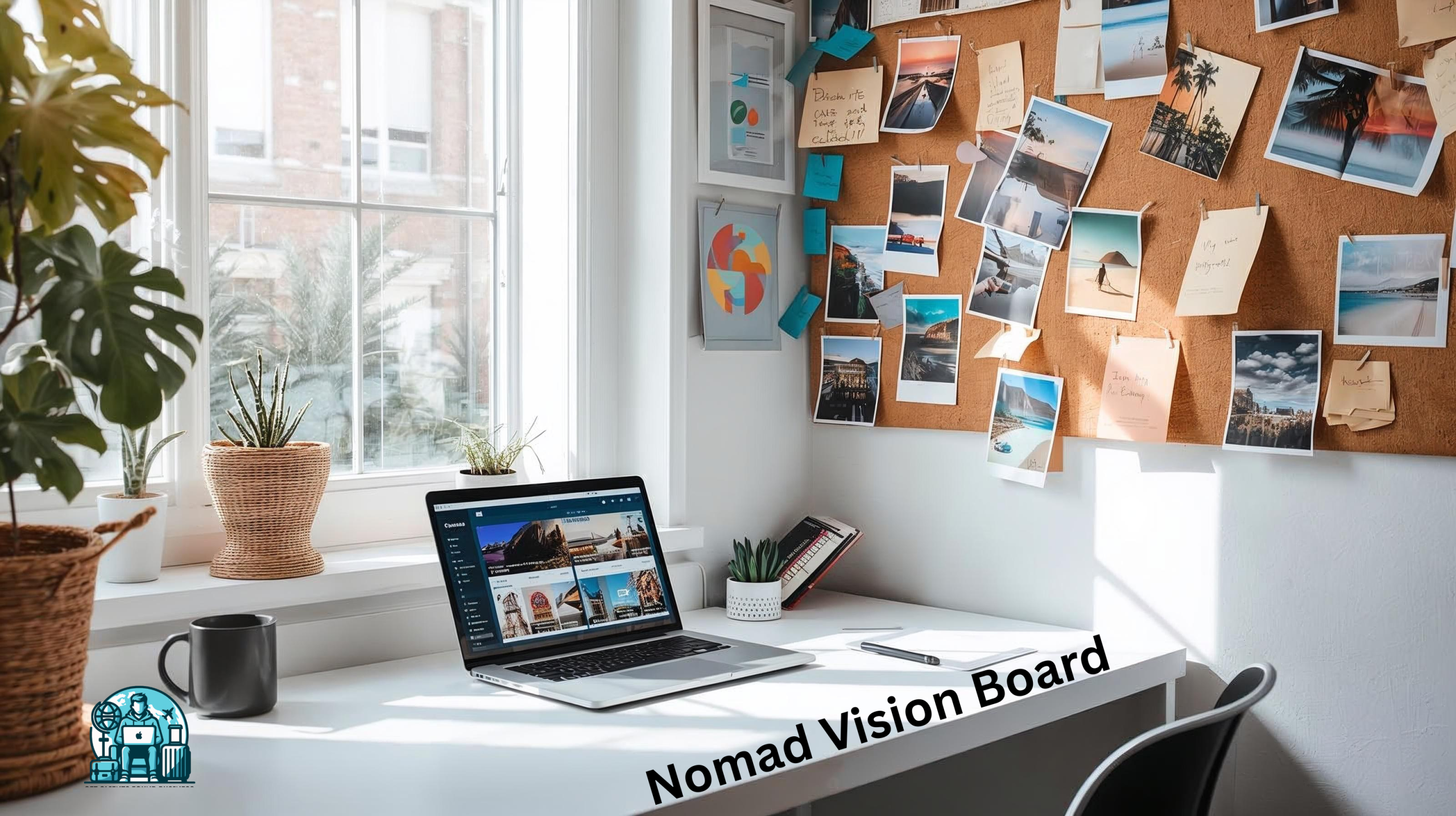
How to Create a “Nomad Vision Board” for Your Brand
Turning Your Nomad Dreams into a Clear Brand Vision
In the world of digital nomad entrepreneurship, clarity is one of the most powerful competitive advantages. Many freelancers and remote professionals know they want freedom, travel, and meaningful work—but very few translate those ambitions into a clear visual strategy for their personal brand.
That’s where a Nomad Vision Board becomes a powerful tool.
A Nomad Vision Board is a visual roadmap of your personal brand, lifestyle goals, and professional direction. It combines imagery, keywords, inspiration, and long-term aspirations into a single visual framework that guides your decisions as a digital nomad.
At Get Founds Technologies, vision boards are often used in Ikigai-inspired workshops and digital nomad community sessions to help entrepreneurs align their purpose, branding, and travel lifestyle. When done correctly, a vision board becomes more than motivation—it becomes a strategic compass for your brand identity and business growth.
This guide explains how to create a powerful Nomad Vision Board that strengthens your personal brand, digital presence, and community connections.
Why Digital Nomads Need a Vision Board
1. Clarity in a Location-Independent Lifestyle
Digital nomads operate in a fluid environment. Without structure, it’s easy to drift between projects and opportunities without building a cohesive brand.
A vision board helps you define:
- Your ideal lifestyle
- Your target clients
- Your personal brand identity
- Your business goals
This clarity ensures your online presence consistently communicates who you are and what you stand for.
2. Aligning Lifestyle with Personal Branding
A powerful digital nomad brand is built on authenticity and storytelling.
Your audience wants to see:
- What motivates you
- What kind of lifestyle you represent
- What values your brand reflects
A vision board visually connects your brand personality, values, and lifestyle narrative.
For example:
- A nomad focusing on wellness coaching might include yoga imagery, nature landscapes, and calm color palettes.
- A tech entrepreneur nomad might focus on innovation visuals, startup environments, and productivity tools.
3. Strengthening Long-Term Motivation
Working remotely while traveling can sometimes feel isolating.
A vision board acts as a constant reminder of your bigger mission, helping you stay focused during challenging phases such as:
- inconsistent income
- travel transitions
- business experimentation
The Core Elements of a Nomad Vision Board
1. Your Nomad Lifestyle Vision
Start by visualizing your ideal lifestyle.
Include images representing:
- dream travel destinations
- remote work environments
- cultural experiences
- freedom and exploration
Examples might include:
- co-working spaces in Bali
- laptop cafés in Lisbon
- mountain retreats for deep work
These visuals anchor your brand around the lifestyle you want to represent.
2. Your Personal Brand Identity
Your vision board should also include elements representing your brand identity:
- brand colors
- typography inspiration
- design aesthetics
- photography style
These elements ensure consistency across your:
- website
- portfolio
- social media profiles
Consistency builds trust and recognizability in your digital nomad brand.
3. Your Skills and Expertise
Add keywords or visuals that represent your professional strengths.
Examples:
- marketing strategy
- UX design
- travel photography
- community building
- remote coaching
This section reminds you that your brand is not just about travel—it’s about value creation for clients and audiences.
4. Your Target Audience
A successful personal brand serves a specific audience.
Your vision board should represent the people you want to help.
Examples:
- startup founders
- remote freelancers
- digital creators
- wellness enthusiasts
Understanding your audience helps you develop content, services, and offers aligned with their needs.
5. Your Impact and Mission
Include phrases or words that represent your purpose.
Examples:
- “Empowering remote entrepreneurs”
- “Helping freelancers build global careers”
- “Building a community of conscious travelers”
This section connects your brand to a deeper mission beyond income.
At Get Founds Technologies, many nomads identify their purpose through Ikigai-based exercises, which later become the foundation of their vision boards.
Step-by-Step Process to Build a Nomad Vision Board
Step 1: Define Your Ikigai
Your brand vision should sit at the intersection of:
- what you love
- what you’re good at
- what the world needs
- what you can be paid for
Write down answers to these questions before gathering visuals.
Step 2: Collect Visual Inspiration
Gather inspiration from:
- travel photography
- personal branding examples
- lifestyle imagery
- typography and color palettes
Tools you can use:
- Canva
- Milanote
- Notion
Step 3: Organize Your Vision Board Sections
Divide the board into categories such as:
- Lifestyle
- Brand identity
- Skills & expertise
- Audience
- Mission
This ensures the board represents both lifestyle dreams and business strategy.
Step 4: Create a Digital Version
Digital nomads move frequently, so a digital vision board is more practical.
You can create one using:
- Canva
- Notion dashboards
- Google Slides
- iPad design apps
Keep the board somewhere visible—such as your desktop wallpaper or productivity dashboard.
Step 5: Review and Update Every 90 Days
Your vision will evolve as your business grows.
Review your board regularly to:
- remove outdated goals
- add new inspirations
- refine your brand direction
How Vision Boards Support the Digital Nomad Community
A powerful vision board is not just an individual tool—it can strengthen community collaboration.
Inside the Get Founds Technologies Nomad Nexus community, members often share their vision boards during:
- branding workshops
- networking meetups
- Ikigai sessions
These discussions create opportunities for:
- partnerships
- mentorship
- collaborative projects
Vision boards help members discover shared goals and complementary skills, strengthening the entire digital nomad ecosystem.
Common Mistakes When Creating Vision Boards
1. Focusing Only on Travel
Many nomads fill boards with beaches and destinations.
Your board must also include skills, audience, and business goals.
2. Copying Other Influencers
Authenticity matters. Your vision should reflect your values, not someone else’s lifestyle.
3. Ignoring Brand Identity
Your board should influence real branding decisions such as:
- website design
- social media aesthetic
- color palette
Conclusion
A Nomad Vision Board is far more than a motivational collage. It’s a strategic tool that aligns your lifestyle aspirations, personal branding, and business goals into one powerful visual framework.
For digital nomads building sustainable careers, clarity is everything. When you know the lifestyle you want, the audience you serve, and the mission you pursue, every decision—from your portfolio design to your social media content—becomes intentional.
Through initiatives by Get Founds Technologies, digital nomads are encouraged to develop vision boards that not only guide individual success but also contribute to a strong global community of travelers, freelancers, and entrepreneurs.Your vision defines your brand.
Your brand shapes your journey.
And your journey can inspire a community of nomads around the world. 🌍✨

Related Post
Personal Branding Mistakes Nomads Make (And How to Avoid Them)

Why Personal Brand Values Matter for Your Growth

How to Design a Logo That Tells Your Story

Choosing Brand Colors & Fonts That Travel Well
