


Top 10 Online Platforms for Nomad Collaboration in 2025
Why Platforms Matter for the Digital Nomad Era
In the remote-work revolution, the true differentiator is not just where you work, but who you collaborate with and how you connect. As a digital nomad you have flexibility, but often risk isolation, scattered projects and missed opportunities. That’s why finding the right online platforms for nomad collaboration is critical.
Through these platforms you don’t just find jobs – you build a community, co-create projects, share culture, travel insights, brand together and develop together. For our mission at Get Founds Technologies (GFT) — to build a global digital nomad community (Nomad Nexus) rooted in flexibility, innovation and empowerment — these platforms are the building blocks of the ecosystem.
Today we’ll explore the top ten online platforms that digital nomads (freelancers, remote entrepreneurs, travellers) should know in 2025. We’ll explain what each platform offers, why it matters, how you can use it to join or create a network, and how it ties into the Get Founds Technologies community-building strategy.
Criteria for Choosing Platforms
Before we list the platforms, it’s worth laying out how we selected them. Good platforms for nomad collaboration in 2025 must:
- Support global access (time zones, devices, connectivity)
- Facilitate real-time or asynchronous nomad collaboration (chat, voice, docs)
- Offer networking features (profiles, groups, events)
- Enable co-creation or project matching (find partners, jobs, gigs)
- Align with values of community, not just transactional outsourcing
- Be scalable and future-ready (support travel, remote work geography, hybrid events)
With those criteria in mind, here are the platforms.
1. Slack Communities
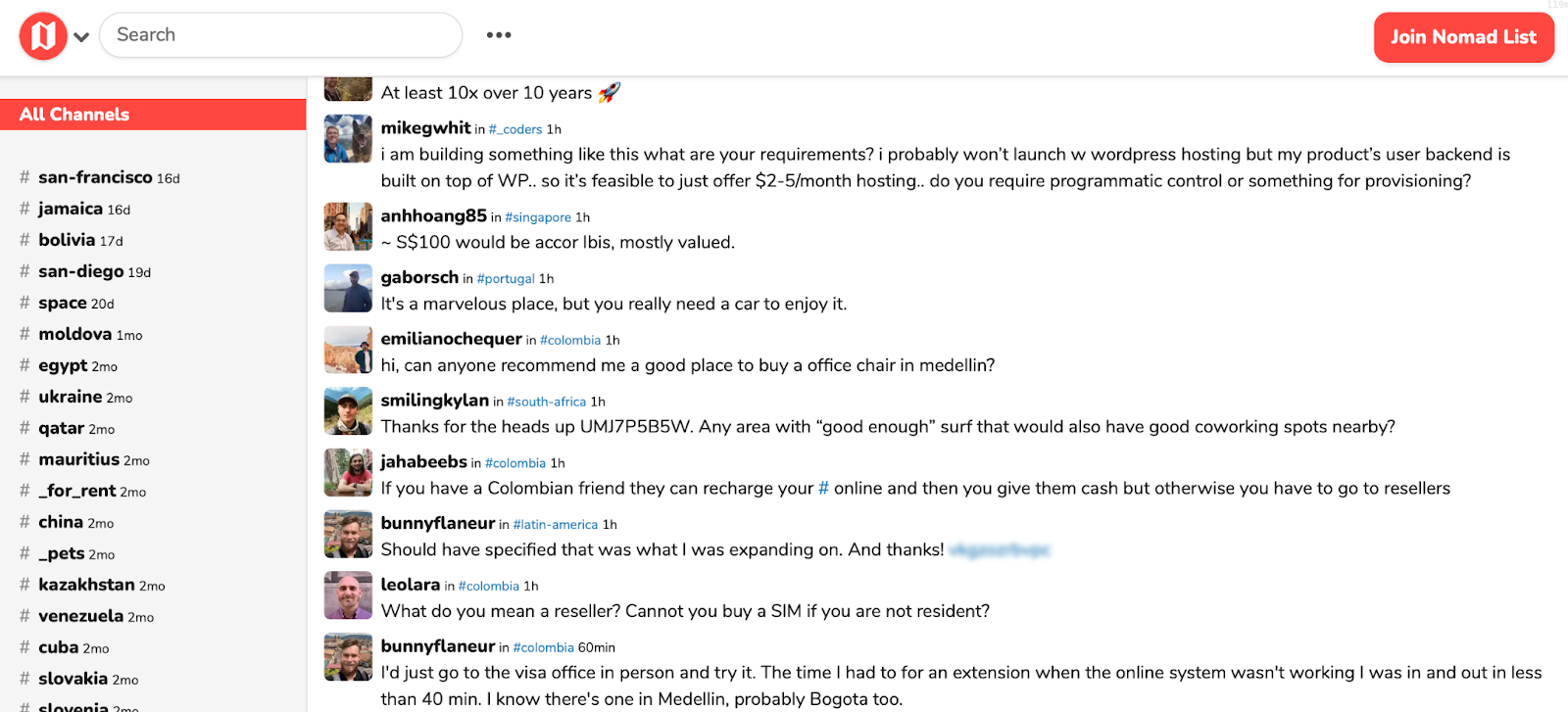
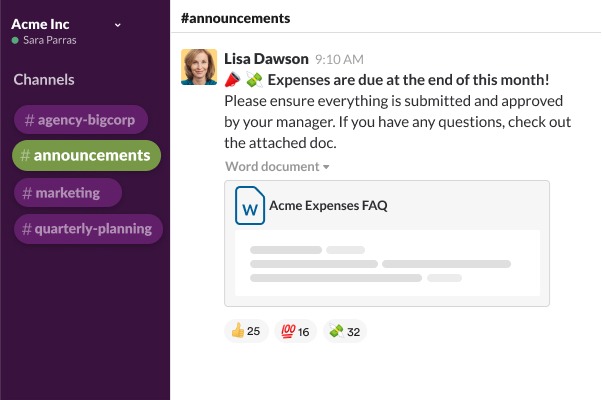
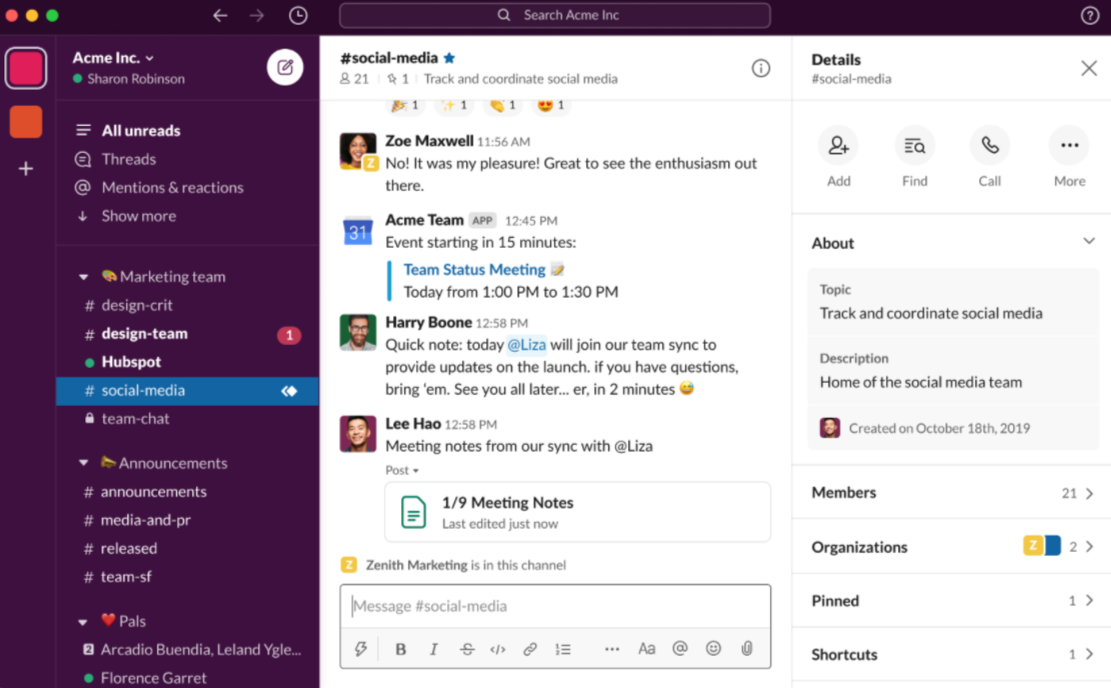
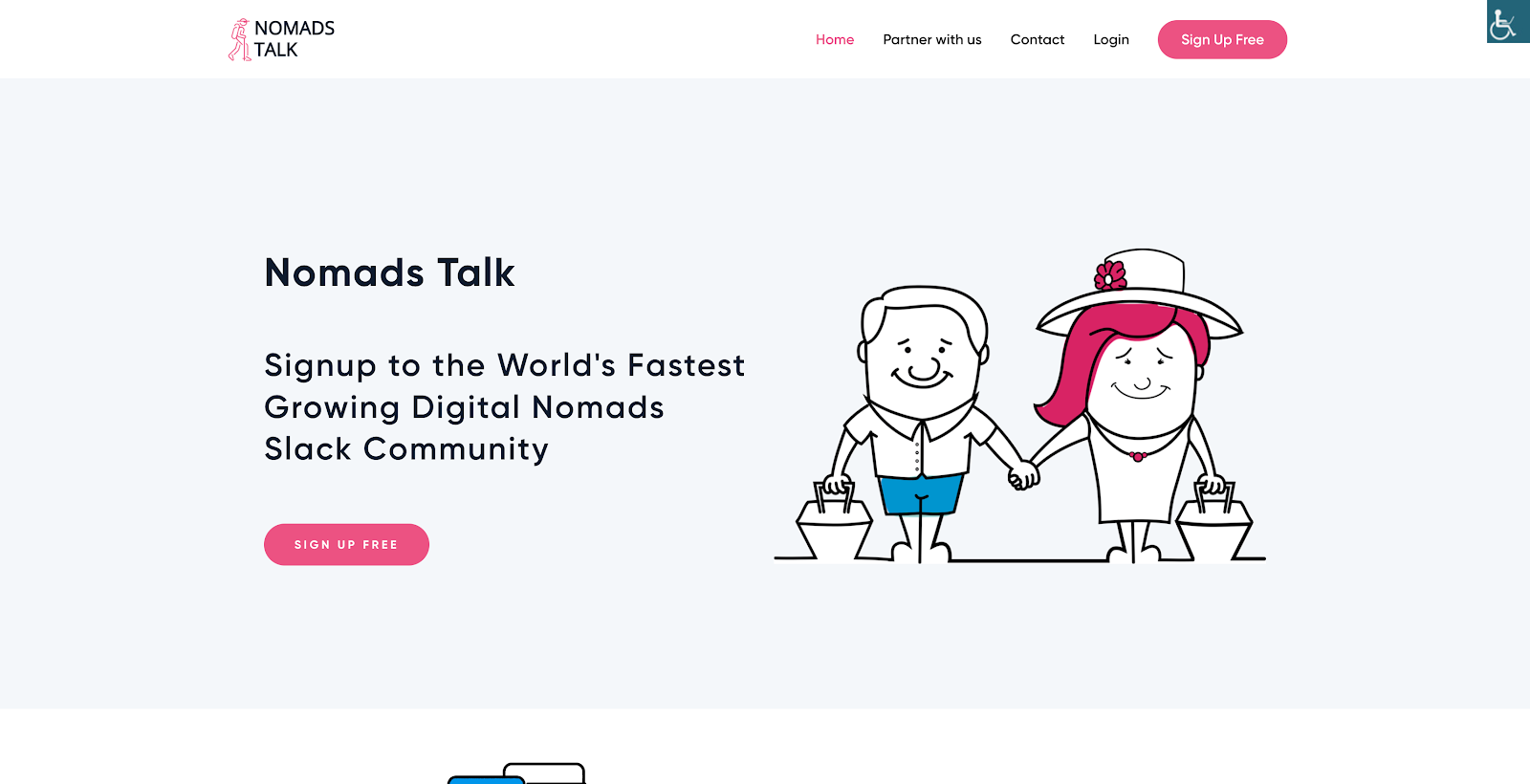
Slack is no longer just for corporate teams — it has become a rich ecosystem of niche communities, including digital nomads. These “Slack workspaces” allow you to join them (or create one) focused on location-independent professionals, remote freelancers and nomad networking. According to a review of remote-work tools, Slack is mentioned as among the communication & nomad collaboration essentials.
Why it matters:
- You can join paid or free Slack communities with dedicated channels (e.g., “jobs”, “meetups”, “collabs”)
- Real-time chat + integrations (Google Drive, Zoom, Trello) make nomad collaboration immediate
- You get a sense of community vibe (monitor channels before joining actively)
How GFT can leverage it:
Within the Get Founds Nomad Nexus community we can host a dedicated Slack workspace for “NomadSync” (project-match channel), “NomadNest” (skills + learning), and “Nomad Vibes” (social & meetups). This layered approach lets members deepen from casual chat to serious projects.
Tip for nomads: When you join a Slack community, set up a clear introduction: who you are, what you offer, and what you’re seeking. Then pick one channel to actively contribute to each week to build visibility.
2. Discord Servers for Nomad Collaboration
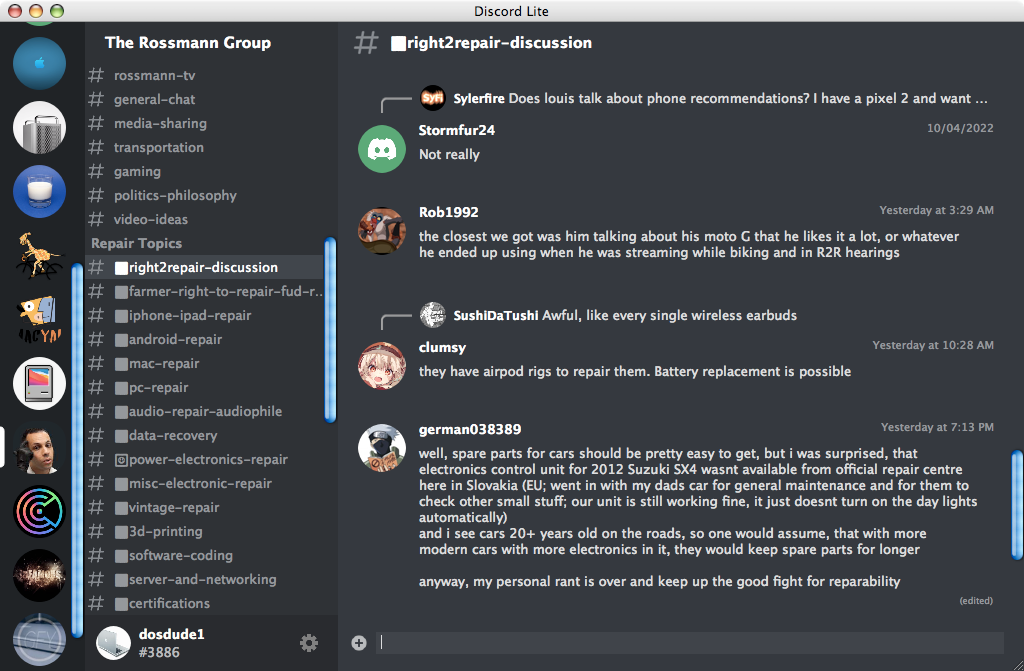
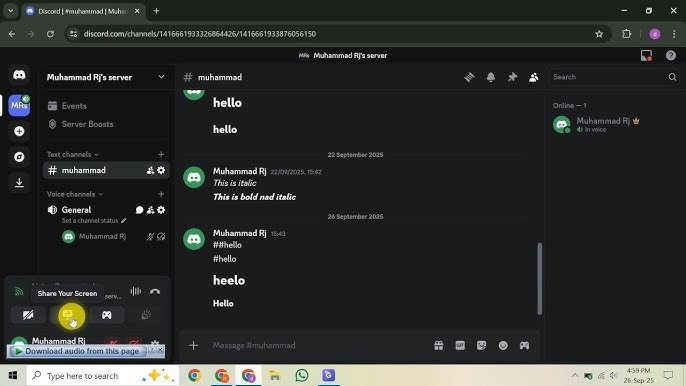
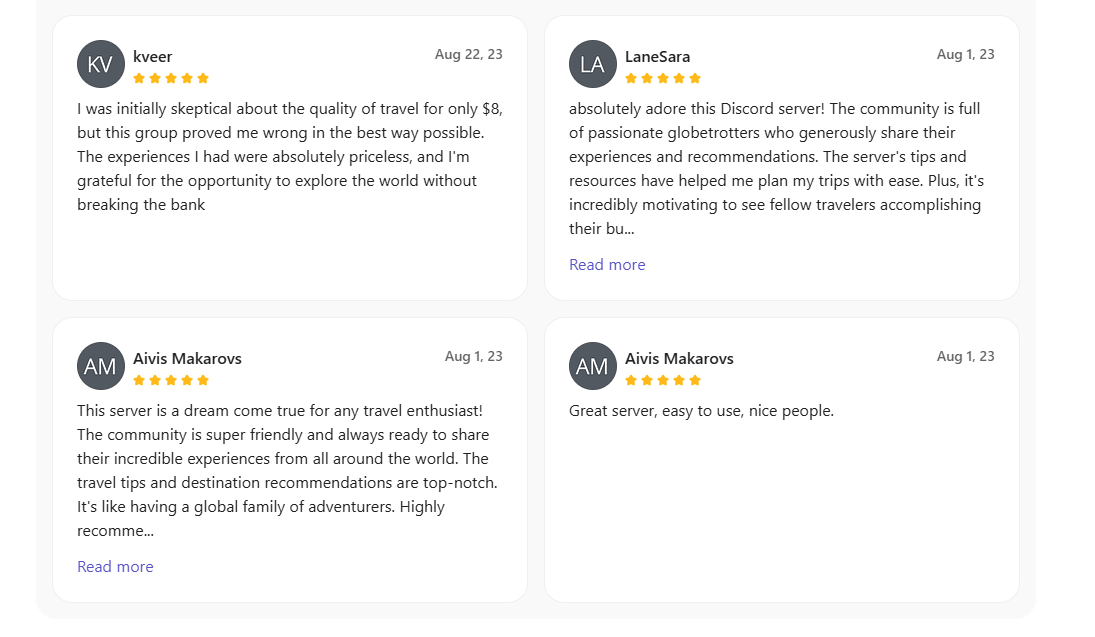
Discord, originally for gamers, has become a hub for remote workers and nomads as well – offering voice channels, topic-rooms, and asynchronous chats. It enables more informal, more social-first connection.
What to look for:
- A dedicated voice-chat “co-working room” where nomads drop in
- Channels for “nomad collaboration – find a partner for a project”
- Posting boards for remote jobs, travel tips, local meetups
Why it’s relevant for 2025:
Remote working is increasingly hybrid and community-oriented. Discord gives more “hangout” style connection rather than purely formal forums.
GFT angle:
We can host our official Nomad Nexus Discord server for casual drop-ins, virtual cowork-hours, brainstorm sessions, local city sub-groups (e.g., Nomads in Bangkok, Nomads in Lisbon). It complements our WhatsApp subgroups (NomadNest etc) by giving more voice/video layers.
3. NomadList & Destination-Centric Networks
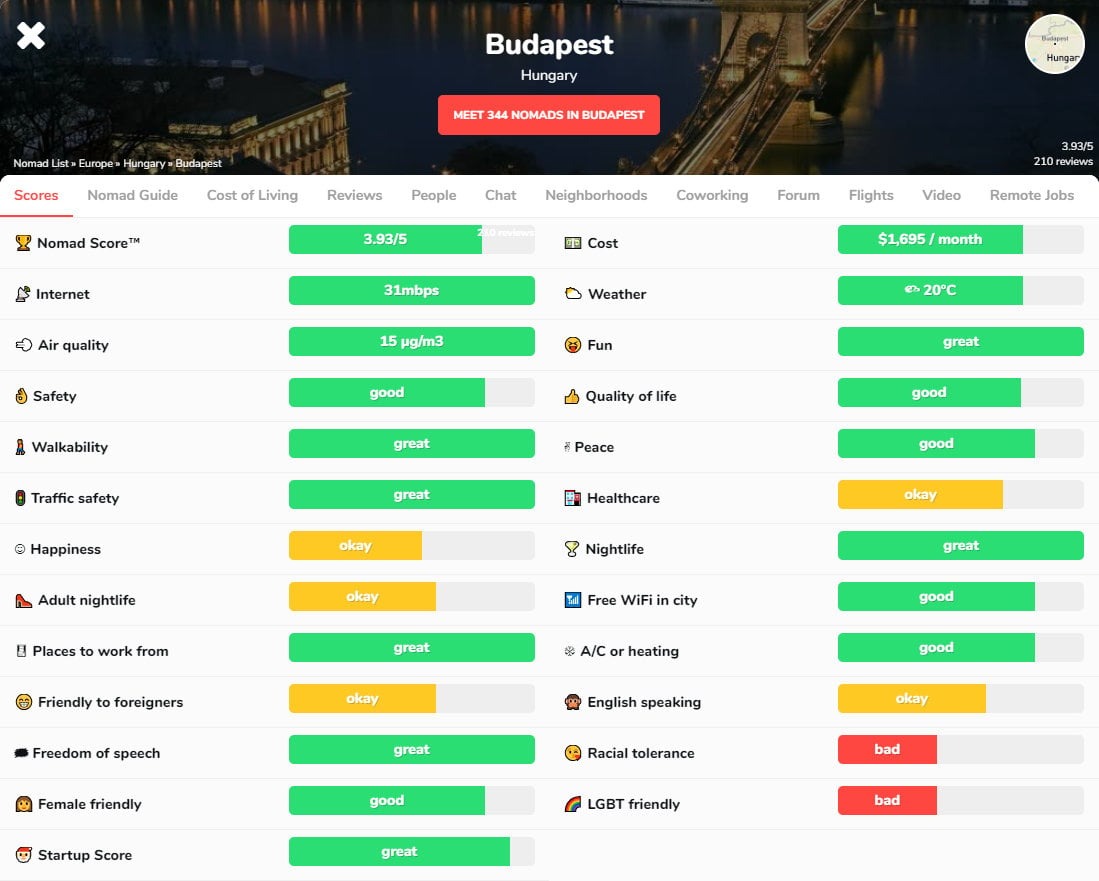
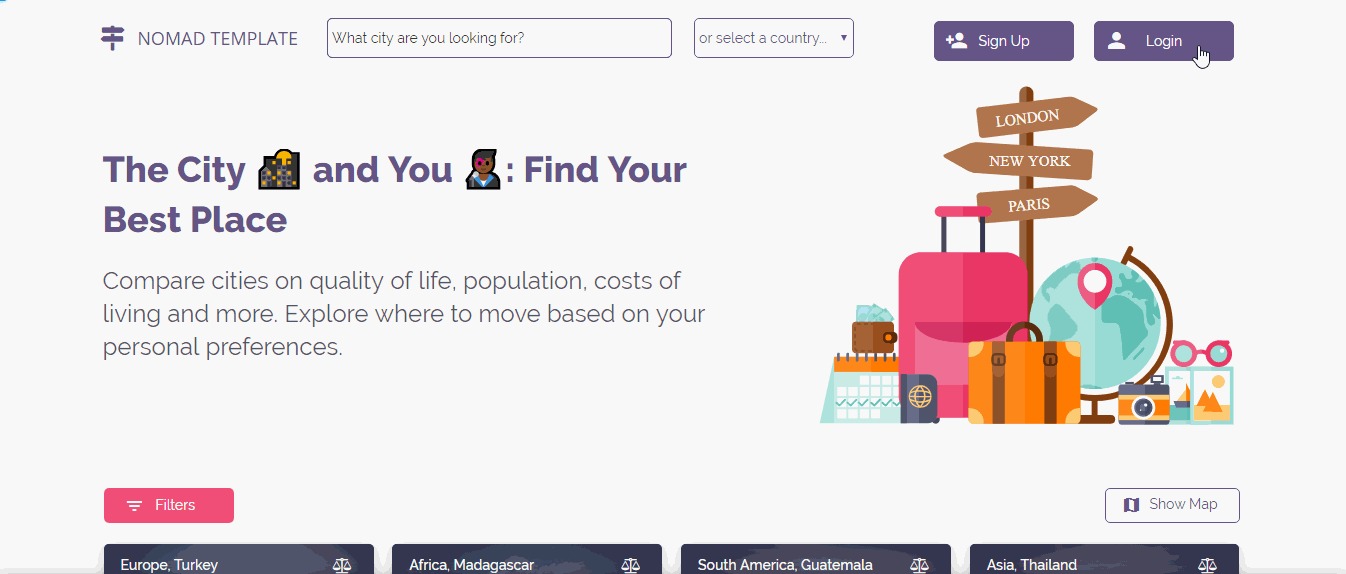
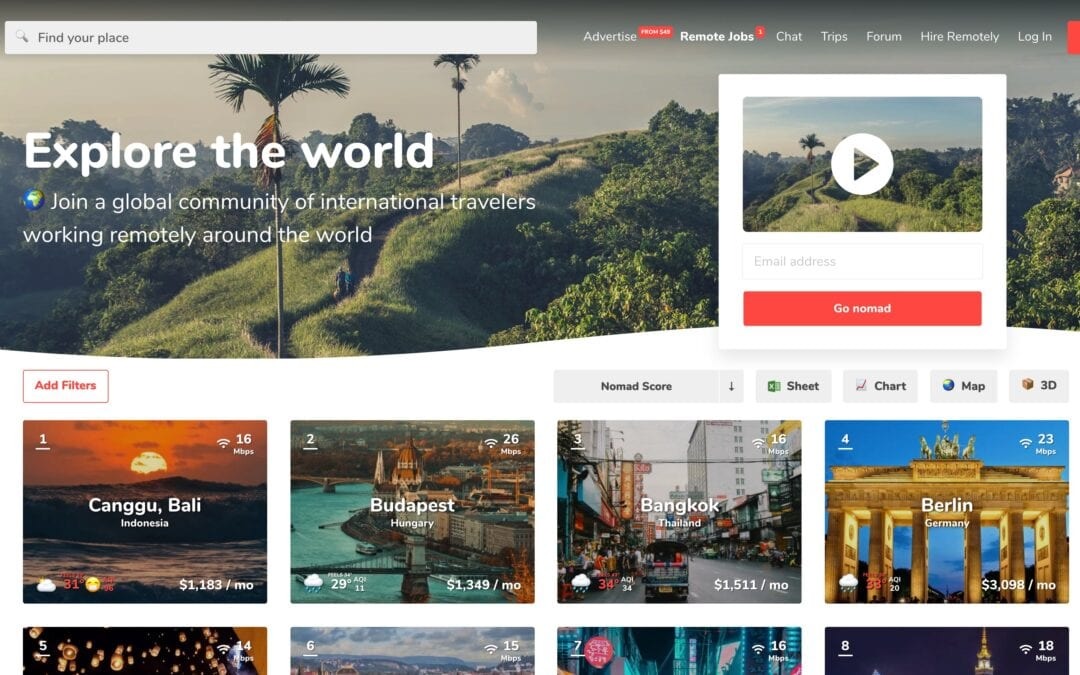

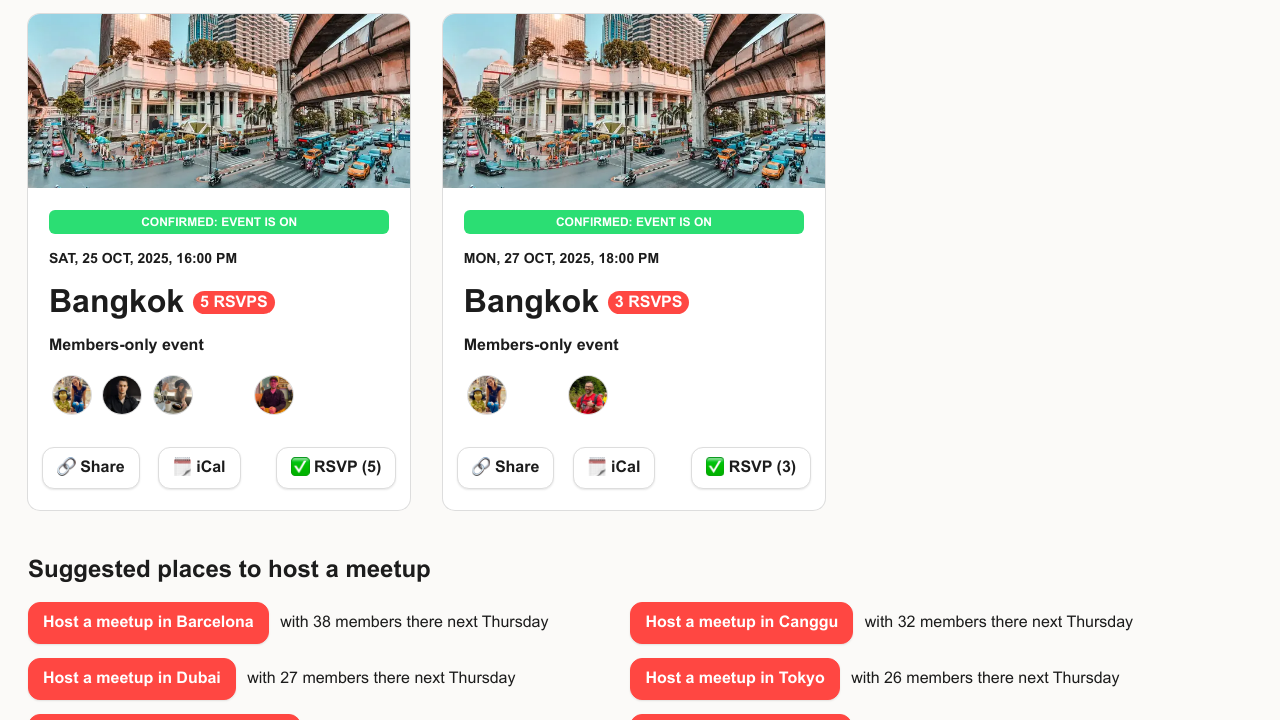
NomadList is a platform that caters to digital nomads selecting destinations and connecting with peers in those cities. It’s more than a tool – it is a community of people choosing lifestyle and location simultaneously. According to one article, it is one of the social and networking platforms targeted at nomads.
Why it works:
- Connects you with nomads in the city you’ll be travelling to – perfect for local meetups, coworking suggestions
- Has insights on cost of living, work-friendly cities – helpful for planning
- Many local sub-groups export to WhatsApp/Telegram for real-world meetups
GFT application:
Within Nomad Nexus, we can partner with NomadList or create parallel city-based “Nomad Nesting Hubs” where our members in a given location (say Bali, Medellín, Lisbon) get matched for events, collaborations and local branding workshops. This reinforces GFT’s global community intent.
4. Meetup & Hybrid Event Platforms
While not exclusively for nomads, Meetup remains instrumental for turning online connections into offline ones — which is crucial. Mining the online-to-offline continuum builds deeper bonds.
Key attributes:
- Location-based groups for remote workers & digital nomads
- Virtual events + global meetups
- Opportunity for host-organisers (you!) to create your own group
Why it matters for GFT:
Our offline Ikigai Sessions (as you mentioned you’re planning) rely on local meetups. Creating a “Nomad Nexus – City X” Meetup group helps funnel online members into face-to-face gatherings. This strengthens community engagement and trust.
5. LinkedIn Groups & Professional Collaboratio
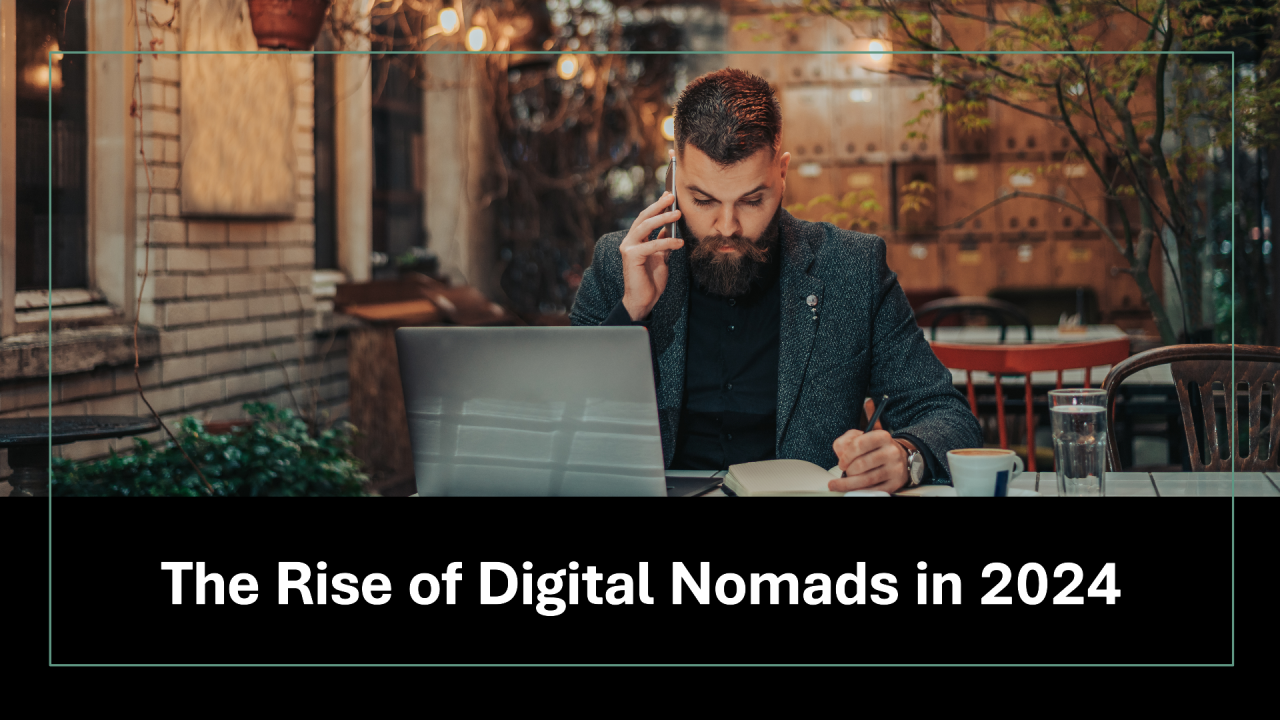
For digital nomads who are also professionals building brands, business collaborations, and networks, LinkedIn is a vital part of the mix. Although more formal than other platforms, it helps cement credibility and find serious nomad collaboration.
What to do:
- Join groups titled something like “Remote Entrepreneurs & Digital Nomads”
- Post value-led content (case studies, tools, your travel×work story) to build visibility
- Use “Open to: collaboration” headline on your profile
GFT synergy:
We can leverage LinkedIn to position Get Founds Technologies as a thought-leader in nomad community building — curate posts about “nomad collaboration trends 2025”, “how to build remote business while travelling”, “branding for nomads”, and link back to our Nomad Nexus membership.
6. WhatsApp / Telegram Channels & Sub-Communities
Messaging apps have become the lifeblood of real-time connection for nomads — faster than forums, more personal than Slack. Your own channels can become hubs of activity.
Best practices:
- Create small sub-groups (e.g., 50-100 people) around interests: branding, AI for nomads, travel hack, local city clusters
- Set clear group norms (no spam, value sharing, ask & help culture)
- Use polls, quick voice notes, local meetups announcements
How GFT uses it:
As you’ve planned: Nomad Nexus has subgroups: NomadNest, NomadSync, and Nomad Vibes Circle. These can be WhatsApp/Telegram groups. Each member can be funneled from a larger LinkedIn/Slack invite into one of these groups based on interest. Then, when you prepare offline Ikigai sessions in cities, you announce via these groups — the friction is low, the engagement high.
7. Facebook Groups & Social-Community Boards
Many large digital nomad communities still live on Facebook Groups. They are especially useful for broad reach and quick responses. An article lists popular FB groups like “Digital Nomads Around the World”.
Advantages:
- Massive reach and free to join
- Many members, good for visibility, job leads
- Easy to create events and livestreams
Considerations:
- Noise can be high (spam, promotions)
- Engagement may be shallow unless you moderate
GFT tie-in:
Create a private FB group for Nomad Nexus alumni — once someone completes onboarding or attends an offline event, invite them into this group. Use it for community stories, peer-shoutouts, collaboration calls (“I’m looking for a branding partner for my nomad business”). This keeps your community alive beyond WhatsApp/Slack.
8. Notion, Google Workspace & Collaboration Hubs
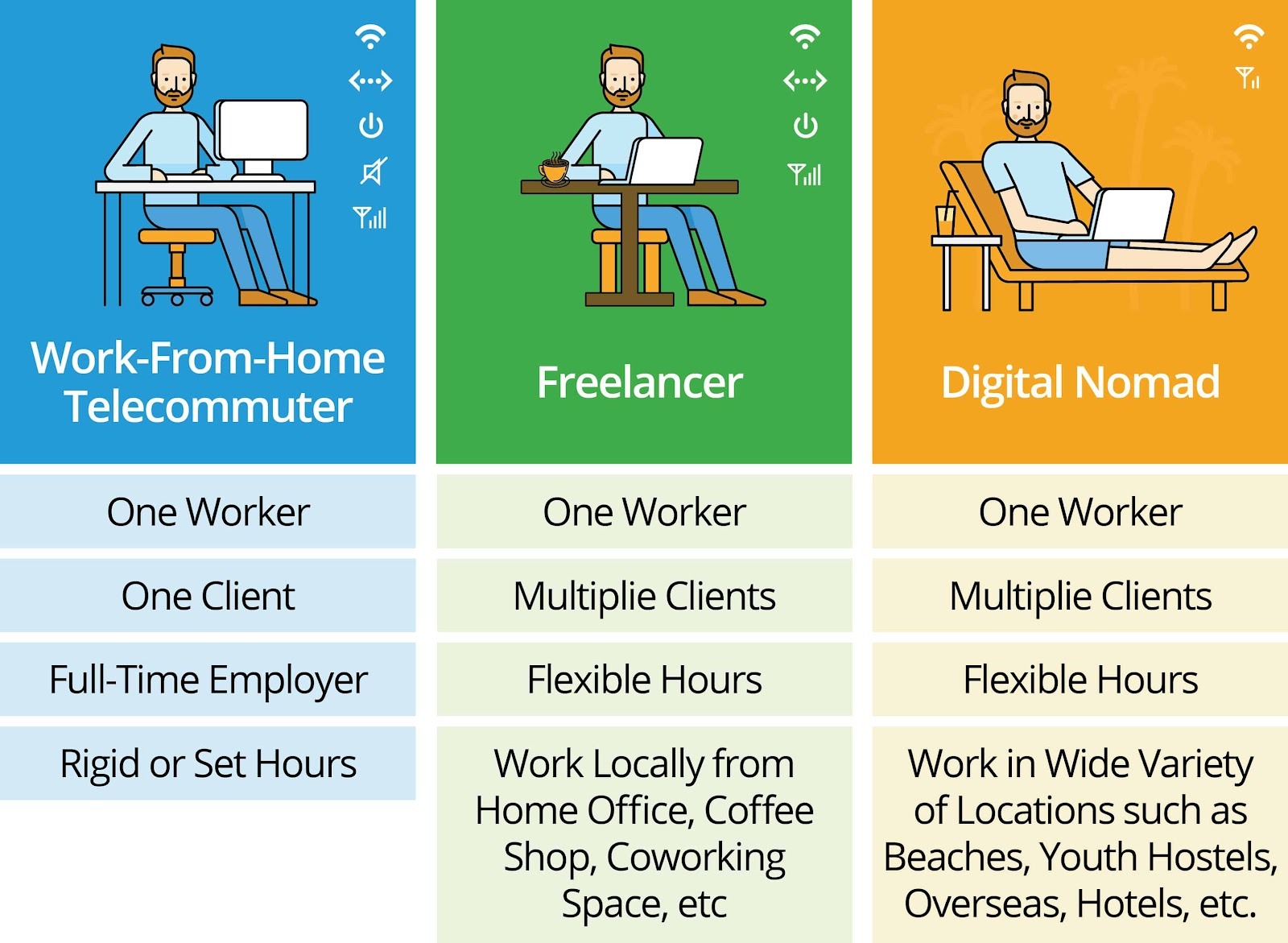

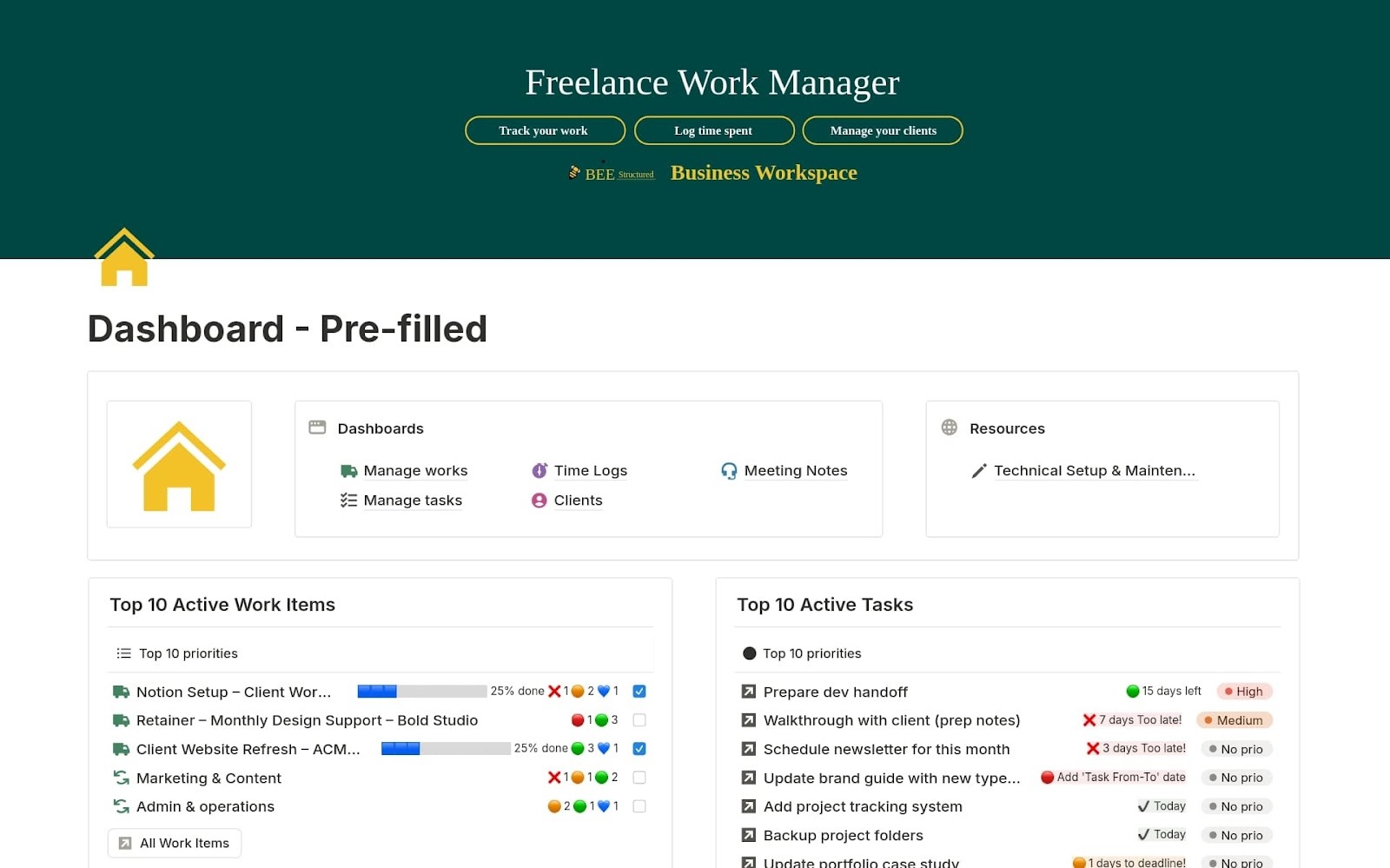
While the above are networking platforms, collaborating on actual projects requires shared hubs: doc editing, boards, real-time co-creation. Articles highlight the importance of these platforms for nomads.
What to use:
- Notion: create a shared “Nomad Project Board” where members list project ideas, skills, collaborators needed
- Google Workspace: shared Drive, Docs, Sheets for remote business functions
- Integrate these with your Slack/Discord so nothing stays siloed
GFT’s strategic use:
Within NomadSync (one of your subgroups) you can create a “Project Marketplace” in Notion where members drop “I’m building a remote branding gig, need a nomad UX designer”, “I’m heading to Lisbon June-Aug and want to build a travel podcast”. Then your community can self-match. GFT can highlight “featured projects” monthly for spotlight.
9. Airmeet / Hopin & Virtual events for Nomads
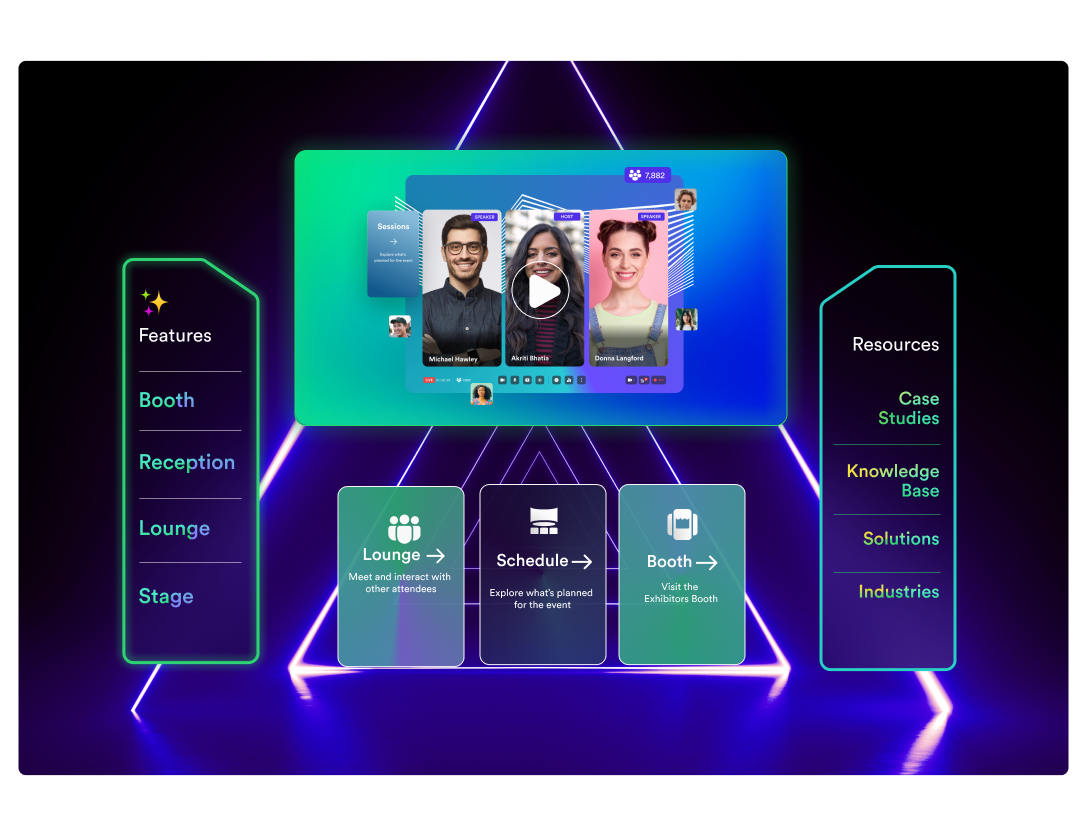

As travel remains part of the nomad lifestyle and hybrid gatherings grow, virtual-event platforms are key to building bigger-scale community moments. An article named “top remote work platforms for digital nomads in 2025” cites tools like Microsoft Teams but the same concept applies for event spaces. (RebelHQ)
Why this matters:
- You can host global “Nomad Nexus Summit 2025” – sessions on branding, AI for nomads, travel-business
- Breakout rooms match members by interest or location
- Record sessions to build evergreen content for your community
GFT benefit:
Use Airmeet or similar for your branded events. This positions Get Founds Technologies not just as a connecting community, but as a platform for high-quality content and networking. Use event recordings as member perks and lead gen for new members.
10. Upwork / Fiverr & Specialty Freelancer Marketplaces for Nomad Collaborations
Although this is more transactional than communal, the major freelancer marketplaces still matter for nomad collaboration – especially when you’re turning your nomad lifestyle into a business and need partners or subcontractors globally.
Key points:
- Upwork and Fiverr allow you to scale your remote workload
- Within your community you can recommend vetted nomad-friendly freelancers (branding, travel content, remote business setup)
- You can even create a private directory of trusted nomad-freelancers inside your community
GFT integration:
Nomad Nexus can host a “Trusted Nomad Marketplace” page listing community-approved freelancers (members) who are available for nomad collaboration. Over time this builds a reputation network, not just a listing.
Bringing It All Together: The GFT Nomad Nexus Workflow
Here’s how the pieces integrate into a workflow for building your digital nomad community and driving meaningful nomad collaboration:
- Awareness → Entry
Use LinkedIn posts, Facebook groups, blog content (“Why community matters for nomads”), SEO-optimised posts with keywords like digital nomad community, remote work collaboration platforms, how to build digital nomad network 2025. - Join & Engage
Invite interested nomads into your Slack workspace + WhatsApp Telegram subgroups (NomadNest, NomadSync, Nomad Vibes). Use Slack for structured nomad collaboration, WhatsApp for informal chat, Discord/Telegram for voice coworking. - Project Marketplace & Matchmaking
Use Notion or Google Workspace as backend: collect member profiles, skills, location, current projects. Host “Project Match” sessions monthly. Advertise in Slack/Discord/WhatsApp. - Events & Deepening
Host virtual events on Airmeet/Hopin: masterclasses (branding for nomads, AI tools for remote business), networking speed-rooms. Then promote local offline Ikigai Sessions (in Bangalore, or wherever nomads gather). Use Meetup listings to attract local attendees. - Brand & Business
Encourage members to publish case-studies and collaborations on LinkedIn, share successes in Facebook group. Provide branding templates and AI-tool hack sessions via GFT so members build personal brands. - Monetise/Scale
Offer premium membership within Nomad Nexus: mentorship, live coaching calls, curated job boards, member directory. Use Upwork/Fiverr marketplace to recommend members to clients—turning the community into a value network.
Choose, Join, Collaborate, Thrive
The digital nomad lifestyle is changing fast. By 2025 the winners will not just be those who travel and work — but those who connect, co-create, and collaborate across borders, time zones and platforms.
For you and for the Get Founds Technologies community, the mission is clear: build a global network of empowered nomads who don’t just find remote jobs, but build remote businesses, brand themselves, partner with peers, and create a lifestyle that’s sustainable, creative and connected.
Start with one platform above that resonates with you. Introduce yourself, engage from day one, show up weekly, offer value, ask for nomad collaboration and watch how your network becomes your greatest asset.
Join us at Nomad Nexus — and let’s make 2025 the year your remote business and personal brand truly take off.
Happy collaborating!

Related Post

How to Use LinkedIn for Nomad-to-Nomad Business Deals

7 Common Networking Mistakes Nomads Make (And How to Avoid Them)

How to Host a Virtual Networking Session That Actually Works

The Secret to Networking That Brings Paid Projects for Nomads
